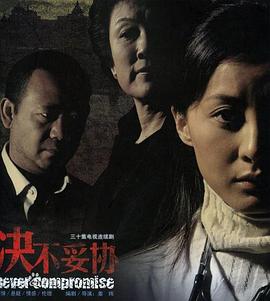
为破获一起大型国宝失窃案,身为刑警的赵红雨(焦俊艳饰),为了调查亲生父亲万正纲(范伟饰)的现任妻子林白玉(陈数饰),在搭档邵宽城(宋洋饰)的掩护之下,到其身边卧底。就在案件得以水落石出之时,这批国家宝藏竟在警察的严密监控下不翼而飞,林白玉也突然失踪…… 身为历史学教授的万正纲遭到警察怀疑,作为女儿的赵红雨决心找父亲探询真相,却不料陷入一场更大的危机。是夫妻反目成仇引发的悲剧?还是父女冰释前嫌时突遇袭击?在邵宽城的调查下,随着真相浮出水面的,是一场真正关于人性的博弈……
年过30的佳纯(三浦透子 饰)生活简单平凡,她从未谈过恋爱,也从没有对任何一个人动心。她做着一份毫无生趣的工作,自顾自享受着独自一个人的小时光。但是这把岁数还不结婚,让老妈(坂井真纪 饰)焦急不已,一直张罗着为她相亲,还担心她是否性取向有问题。又一次相亲时,佳纯邂逅有过一面之缘的小翔(北村匠海 饰),原本她以为终于找到一个志同道合的好朋友,只是事与愿违,这段友情无疾而终。落寞之际,佳纯重逢初中好友世永真帆(前田敦子 饰)。真帆特立独行的风格和佳纯一拍即合,她们仿佛都找到对方的闪光点和认同感。 如齿轮般运转的现代社会,其实每个人都是孤独的……
一个盗贼行事直接、杀人不眨眼,某次他去给一个活儿擦屁股,结果迎来了一个更大的大活儿,“我们要偷窃一整个国家。”但需要这支几人团队去对抗“一个黑帮+一个亿万富翁+一支军队”。
十月革命胜利后,新兴的苏维埃政权受到各方敌人的武装干涉。英、日、土耳其等国利用俄国地主、富农阶级扼杀苏维埃政权的本性,在粮食问题上大做文章。同时,国内的白俄势力用能想到的所有手段剌杀列宁,打入敌人内部的马特维耶夫将敌人刺杀列宁的消息转告瓦西里,但由于布哈林的阻挠,列宁还是在工厂演讲结束后,被女特务卡普兰枪击伤害。此时,严重的饥荒笼罩着新生的苏维埃俄国,而俄国的人民则担心着自己受伤的领袖。高尔基来到列宁的床前,他为不久前自己与列宁讨论是否对敌人要仁慈的问题感到内疚。克里姆林宫广场日夜站满了了解列宁病情的群众,当列宁的病情通报传到工人的耳朵里“列宁己经不发烧了”“乌拉”!的喊声震响天边......
一群少年对街舞的逐梦之旅,期间有父子之间的亲情矛盾,有街舞和广场舞的激烈对决,最后还有城市少年和留守少年的那份纯洁友谊
《我的朋友》邀请FIRST FRAME年度推荐人周迅、王一博共同演绎,由青年导演张大磊执导,描摹寻常处的体面之美,捕捉人情的隽永时刻,复现电影所带来的的生活向往。《我的朋友》亦如穿越时空的影票,诚邀观众走进FIRST FRAME的影像世界,以电影传统传承启发,鼓励青年影人的创造精神,以经典重现过去,以时光雕刻未来。 当耳畔响起女主角小周温柔平实的喃喃絮语,我们与当下暂别,一起回到90年代的日常。小周以检票员的身份打开观众前往影像世界的入口,电影院如同永驻的庇护所,银幕悄然召唤人群,人与人因电影而久别重逢,相互安慰,荡漾情谊的波澜。《我的朋友》因复归影院精神而熠熠生辉,银幕之光照应万「帧」流转,而独一无二的电影样本与人情聚离,蕴藉隽永。交错光影映照出小周与一博的面容,成为朋友的契机悄然而至,而电影亦是每一个人的朋友。
Middle class student Bob Letellier enters a new world when he meets Alain, a free-thinking rebel who, along with his group of young Parisians, has opted for a life of instant gratification instead of work and commitment. At a party, Bob meets a young woman, Mic, who appears to be just as carefree and cynical as Alain. Mic's only dream is to own a luxury car, and with Bob's help, she manages to find the money to but it. Mic's friend Clo discovers she is pregnant and, not knowing who the father is, she asks Bob to marry her. When they next meet at a party, Bob and Mic deny that they have any feelings for one another - a declaration that soon leads to tragedy... Marcel Carné is widely regarded as one of the standard bearers of French quality cinema of the 1930s and 1940s, responsible for such masterpieces as Quai des brumes (1938) and Les Enfants du Paradis (1945). How ironic then that, in 1958, towards the end of his film-making career, he should make a film which dared to portray the attitudes and behaviour of the 1950s youth, in a way that effectively captures the mood and sentiment of the time. Les Tricheurs was a hugely controversial film, not least because of its blatant depiction of adolescent free-love, and was even banned in some regions of France. It also received some intensely unfavourable reviews, most notably from the young hotheads on the Cahiers du cinéma such as François Truffaut who cited this film as a prime example of the decline of French cinema into mediocrity. In spite of all this negative press, the film proved to be an astonishing commercial success, attracting five million cinema-goers, and was awarded the Grand Prix du Cinéma français in 1958. Whilst Les Tricheurs is not as flawless as Carné's earlier masterpieces, it is nonetheless a significant work, having the power to both shock and move its audience, whilst having great entertainment value. It evokes the mood of its time in a way that few French films of this period did, depicting young people as pleasure-seeking rebels, rejecting the austerity and discipline of the previous generation whilst pursuing a life without cares, responsibilities or love. Similarities with James Dean's films of the 1950s (most notably Rebel without a Cause) are apparent, although Carné's treatment of young people is far more abstract - in his film they merely symbolise a world that has lost its way, more or less victims of post-war prosperity. Although the young people in Les Tricheurs lack the authenticity to be totally credible, the film does make an important, and indeed quite disturbing point, about where the permissive society may be heading. Much of the pleasure of the film is in the performances from its four lead actors, Jacques Charrier, Pascale Petit, Laurent Terzieff and Andréa Parisy, although only Terzieff is really convincing in his role. Marcel Carné originally considered Alain Delon and Jean-Paul Belmondo for the parts of Bob and Alain respectively, before opting for Charrier and Terzieff. As a consolation, Carné offered Belmondo a smaller part in the film - alas too small for the actor to be noticed by the public. Belmondo's breakthrough had to wait until the following year when he starred in Jean-Luc Godard's revolutionary A bout de souffle, a film which offers a very different perspective of the youth generation.
丹是一个35岁的计算机程序员从匹兹堡人生活忙碌的生活。随着平衡工作,他的婚姻,并提高他的三个孩子,但他的大部分时间都花在积极参与所有的事情的比特币。在发现后2011比特币,他对加密货币爱和迷恋是出世,揭示他探索新的可能性的一个未知的世界。加入我们,我们将穿越Bitcoin迅速增长的世界。一路上,我们将遵循的企业家和创业者,帮助塑造新金融前沿的故事。我们将看看竞争挖掘市场和在比特币社区各种亚文化。你会遇到各种各样的人物和观点为我们研究的一个开放源代码的数字货币的社会和政治影响。将Bitcoin上升带来的货币范式的转变,将永远改变世界?
为了完成女儿李妍(谭松韵 饰)高三前的小小心愿,父亲李博宇(吴京 饰)决心带着女儿远赴阿勒泰滑雪。却不料李博宇遭遇意外,全力抢救后仍陷入脑死亡的处境,让为妻为母的潘雁秋(闫妮 饰)做出了一个女人最艰难的决定。当家渐渐失温,一只名为可乐的小狗带着倔强闯入了她们的生活,成为母女争执的焦点,也成为苦乐烟火的陪伴。如何在伤痛后放下悔与执?如何在成长中习得爱与勇?当往日的困境重现,她们的人生,又是否有无憾的选择?
安德烈和史蒂芬是一对人人称羡的同志情侣,同为交响乐队成员的他们于公于私都形影不离,爱猫摩西则是家中第三位成员,突如其来的暴力举动却令完美人生瞬间瓦解,他们也因随之而来的猜忌和疏离渐行渐远,史蒂芬企图挽回安德烈冷漠以对的心,两个霎时被掏空的灵魂,要如何找回坚持下去的决心? 演而优则导的克劳斯韩铎第二部编导长片,以奥地利电影向来见长的冷静犀利,表现角色暗潮汹涌的心理状态,意想不到的情节转折,以及深具象徵意味的安排,自始至终凝聚高度张力,深刻描绘爱情令人完整又捉摸不定的本质,一个人为爱牺牲的极限为何?救赎能否换来原谅?爱能令人欣喜若狂,也能叫人痛彻心扉,如同一隻猫时而与人亲近,时而不见踪影。
世界的另一边,外景主持人叶子与摄制小组来到遥远的乌兹别克,拍摄电视旅游节目。叶子在镜头前开心地品尝当地风味美食、体验传统捕鱼乐趣,即使饭冷没熟、渔夫刁难,她依旧努力挤出甜美敬业的笑容,默默吞下所有委屈,只能在深夜与男友的电话中,低诉寂寞心情。眼看即将收工返家,原定拍摄场景却被取消,文化语言不通的两方陷入争执僵局,究竟该放弃拍摄还是另找题材?世界尽头的困境也让所有人陷入茫然失措中,无处可逃……。 本片为日本与乌兹别克建交二十五周年的纪念制作,也是导演黑泽清继《显影的女人》后,又一部完全在海外拍摄的跨国之作。找来前AKB48偶像前田敦子主演倍受煎熬的女主持人,以及染谷将太、加濑亮演出遭遇重重困难的制作团队,一贯凝冽冷调的心理剖析,将看似欢乐例行的旅游节目制作,转为对文化冲击、疏离人心的虚实辩证,道尽现代人难以言喻的异乡孤寂。
This is a brilliant surrealistic film. But also a fully realistic story about a time when the brave avant-guarde artists were trying to explore the unknown landscapes of human possibilities. The contrast between two realities: the poor village and the dadaist artists is shown very smart and brings the possibility of changing the world by the art. Unfortunately, that progressive ideals of making the world better by revealing new areas of imagination, that ruled in the first half of XX century, were crushed by the war. And, the tragedy finishes: the artistic ideals are dead, international art brotherhood also, but, as a real disaster: Yugoslavia is also dead, as a country, but as an artistic vision of nation's brotherhood, too. So, the art falls apart
唯良和丈夫伟业结婚已经九年了,两人共同抚养着两个可爱的孩子,婚姻生活虽然平淡但是不失幸福。一天,唯良的儿时玩伴安萍忽然找到了唯良,两人已经很久都没有联系了,这次,安萍带来了一个坏消息,那就是唯良的丈夫伟业有了婚外情,而婚外情的对象不是别人,正是安萍的妹妹安玲。 唯良找到了安玲,想要劝说后者离开自己的丈夫,可是性子倔强的安玲非但没有意识到自己的错误,还咬定了不会放手。伤心的唯良决定在丈夫的身上下功夫,但很快她就意识到,伟业是真的不再爱自己了。这么长时间来,丈夫和孩子构成了唯良生活的全部,一下子,她失去了人生的意义。