Paris, the late 1960s. Madame Claude is at the head of a flourishing business dedicated to prostitution that gives her power over both the french political and criminal worlds. But the end of her empire is closer than she thinks.
Lera is a sociology student at a small-town university. Her mother is a sleepwalker who believes in miracles, and her father just left the family for another woman. Lera has no idea how to make her life better. And one more thing: a spirit keeps visiting her dreams at night. And the harder Lera's life gets, the more often she has these dreams. That is, until the spirit steps into the world of the living.
Set against the backdrop of Trinidad and Tobago's mystical Carnival, a gifted and struggling young man becomes the object of intrigue for an older, well-meaning businessman until their worlds collide.
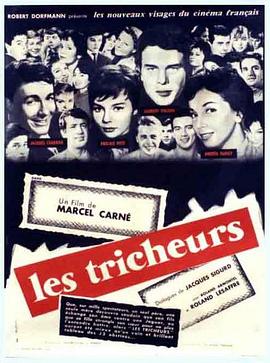
Middle class student Bob Letellier enters a new world when he meets Alain, a free-thinking rebel who, along with his group of young Parisians, has opted for a life of instant gratification instead of work and commitment. At a party, Bob meets a young woman, Mic, who appears to be just as carefree and cynical as Alain. Mic's only dream is to own a luxury car, and with Bob's help, she manages to find the money to but it. Mic's friend Clo discovers she is pregnant and, not knowing who the father is, she asks Bob to marry her. When they next meet at a party, Bob and Mic deny that they have any feelings for one another - a declaration that soon leads to tragedy... Marcel Carné is widely regarded as one of the standard bearers of French quality cinema of the 1930s and 1940s, responsible for such masterpieces as Quai des brumes (1938) and Les Enfants du Paradis (1945). How ironic then that, in 1958, towards the end of his film-making career, he should make a film which dared to portray the attitudes and behaviour of the 1950s youth, in a way that effectively captures the mood and sentiment of the time. Les Tricheurs was a hugely controversial film, not least because of its blatant depiction of adolescent free-love, and was even banned in some regions of France. It also received some intensely unfavourable reviews, most notably from the young hotheads on the Cahiers du cinéma such as François Truffaut who cited this film as a prime example of the decline of French cinema into mediocrity. In spite of all this negative press, the film proved to be an astonishing commercial success, attracting five million cinema-goers, and was awarded the Grand Prix du Cinéma français in 1958. Whilst Les Tricheurs is not as flawless as Carné's earlier masterpieces, it is nonetheless a significant work, having the power to both shock and move its audience, whilst having great entertainment value. It evokes the mood of its time in a way that few French films of this period did, depicting young people as pleasure-seeking rebels, rejecting the austerity and discipline of the previous generation whilst pursuing a life without cares, responsibilities or love. Similarities with James Dean's films of the 1950s (most notably Rebel without a Cause) are apparent, although Carné's treatment of young people is far more abstract - in his film they merely symbolise a world that has lost its way, more or less victims of post-war prosperity. Although the young people in Les Tricheurs lack the authenticity to be totally credible, the film does make an important, and indeed quite disturbing point, about where the permissive society may be heading. Much of the pleasure of the film is in the performances from its four lead actors, Jacques Charrier, Pascale Petit, Laurent Terzieff and Andréa Parisy, although only Terzieff is really convincing in his role. Marcel Carné originally considered Alain Delon and Jean-Paul Belmondo for the parts of Bob and Alain respectively, before opting for Charrier and Terzieff. As a consolation, Carné offered Belmondo a smaller part in the film - alas too small for the actor to be noticed by the public. Belmondo's breakthrough had to wait until the following year when he starred in Jean-Luc Godard's revolutionary A bout de souffle, a film which offers a very different perspective of the youth generation.
脾气暴躁的约瑟夫(彼得·穆兰 Peter Mullan 饰)有一个破碎的家庭,他的生活自暴自弃混乱不堪。到处惹事的他无意间闯入了一间服装店,结识了店主汉娜(奥莉薇娅·柯尔曼 Olivia Colman 饰)。汉娜是一名虔诚的天主教徒,住在高档小区,有一个完美无瑕的丈夫,但是无法生育的事实让她一直都耿耿于怀。约瑟夫在汉娜的身上感受到了同自己相似的气息,果不其然,汉娜的生活并不如表面上那样平静,看似完美的丈夫在背地里却是一个可怕的施虐狂,动则就对妻子拳脚相加。某日,经历过又一番非人折磨的汉娜鼻青脸肿的找到约瑟夫,她告诉他自己已经决定离开丈夫,希望约瑟夫能够收留无亲无故的她。这一举动触动了约瑟夫对已故妻子的回忆,他答应帮汉娜回家收拾行李。约瑟夫拿着汉娜的钥匙进入了汉娜家,但出现在眼前的情景却让他大吃一惊。 无因的暴力,就像暴龙般在这个街区的上空徘徊不去。
圣诞节又快到了,家住北极的圣诞老人(Richard Riehle 饰)又将远赴纽约,给小朋友们发送圣诞礼包。然而今年却有些不寻常,圣诞老人发现纽约的圣诞精神日渐稀薄,他决定和自己忠实的狗狗Paws(扎克瑞·戈登 Zachary Gordon 配音)先行下地考察一番。然而不幸的是,圣诞老人在街上被一辆的士撞倒,用来维持活力的晶体吊坠和钱一并被偷走,醒来后便丧失了记忆。他阴差阳错地来到已故老友哈克巴克先生的玩具店,并被新店主夫妇雇用为店里的"圣诞老人"扮演者。与此同时,一个小女孩奎因(Kaitlyn Maher 饰)正被送到一个孤儿寄养家庭,受尽女主人苛刻的对待,一天夜里,她偶然发现了正在纽约街头焦急地寻找圣诞老人的小狗Paws,并小心收留了它。圣诞节眼看将至,失去了晶体吊坠的圣诞老人身体却一天天迅速衰退,Paws和它的伙伴们能否在偌大的纽约找回圣诞老人,拯救今年的圣诞呢?
西北小城龟城,大贵与一平是一同长大的好朋友,他们曾一起追求青梅竹马的姑娘春兰。后来大贵通过挖掘倒卖文物发家致富,成为了村里的一霸。春兰因家里的压力嫁给了大贵。然而一平无法忘怀春兰,决定大闹大贵和春兰的婚礼。误打误撞意外中一平得到了大贵之前倒卖的纯金佛像。只是殊不知盯上这 尊佛像的不止一平一人,台湾商人陆老板、律师Jack、大贵的发小大嘴轮番上场,各自争夺金佛,随着大贵的离奇死亡,误会和争夺持续升级。凶手究竟是谁,围绕着大贵的死亡发生了一连串离奇的故事,一场揭露人性丑陋的闹剧就此展开,随着疑团一层一层拨开,终究发现几拨人马被命运“黑色幽默”了一把。
有人說過「十七歲」是一個具有魔力的數字,因為十七歲正好是青春怒放的時期,離法定的成人還有最後一段的萌昧期。大多數人的十七歲都是在汗水與淚水交織的高中校園度過的,十七歲的生命充滿各種曖昧與可能。 四十五歲則是另一個令人遐想的生命階段,因為在此標注了生命中點的里程碑,準備跨過的是「不惑」的關卡。四十五歲的他們抱著一顆曾經熱血的心展開了一趟追尋高中失聯同學的旅程,大家都以為旅程的終點就是與高中同學歡聚、慶祝同學會,沒想到,等待著他們的卻是一個個沒有逆料到的生命驚奇―― 包括中年失業、子女教養、夫妻關係、身心健康、父母健康、自我實踐與生死大事等問題,彷佛要通過了這重重的考驗,生命才能真的邁入不惑的旅程。 於是,旅途上的他們與那些久違的年輕夢想、熾燃理念與純真初心相逢了,原來,他們一直在尋找的不是什麼失落的青春歲月或失聯的旅伴,而是那一個個被遺忘的「原來的自己」。 旅程如斯奇妙,最後帶著他們一路返回了自己的「初心」。在這個期中休息站,他們盤整了自己生命的得失,加滿了油,再次啟程,往生命後半段的坦蕩旅途一路駛去,這次的終點將是圓融與完滿。
The Indian version of The Godfather, with the focus on SARKAR, an Indian politician. 印度版的《教父》,可能会成为印度最成功的黑帮电影…… 这里没有对与错,只有权利。Suresh Nagre是一位“Sarkar”,拥有一帮职业杀手,影响着法律标准的界定。他是权利的中心,他能够罢免内阁,并将其他人换上。他是笃信宗教的,但他不会因此而内疚。他可以成为毁灭性人物,只要他愿意,他可以让整个城市投入烈焰中。他的家庭由妻子,儿子Vishnu 和Shankar,及Vishnu的妻子和儿子组成。他的房屋就像是个堡垒,由忠心耿耿的匪军保护着。我们只能认为Sarkar是从天堂落入凡间的,因为没有其任何背景。此外Sarkar从不卷入被他帮助过的人士间的金融交易,甚至拒绝贿赂来避免非法运作的发生。而这必然导致分歧...
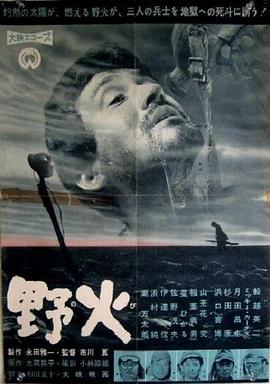
第二次世界大战末期,日军在各地的战场已显颓势,南亚比岛战线情况尤为严重。一等兵田村(船越英二 饰)感染肺炎被军曹命令接受治疗,虽然他极力想返回部队,但此时的日军资源紧缺,疲惫不堪,没有战斗力的田村已经成为军队的累赘。返回医院不久,医院也遭到炮击。田村和伤兵安田、永松(ミッキー・カーチス 饰)一路逃亡,缺水缺盐的情况下,安田等人用沿路采集烟叶换取物资,田村则杀害当地人抢夺食盐,永松甚至为了生存而上演人吃人的惨剧。战争背景下,人性彻底沦丧…… 本片根据大冈升平原著小说改编,并荣获1960年蓝丝带奖最佳摄影和最佳导演奖、1960年电影旬报最佳男主角(船越英二)和最佳剧本奖、1960年每日电影最佳男主角奖。
汤姆(罗曼·杜里斯 Romain Duris 饰)继承了父亲的地下的房地产事业,为了驱赶钉子户,他想出了各种变态的点子:放老鼠闹鼠灾、断水断电赶人、用球棒捣毁房屋设备,打伤毫不相干的人……,同时他还需要出面帮助父亲摆平各种麻烦。当他耍这些流氓手段时,心中丝毫没有怜悯。一个晚上,汤姆突然发现生活还有另外一种方向。他偶遇了去世的钢琴家母亲的经纪人,这让他想起了小时候练习钢琴的美丽时光,那是一段被现实毁掉的美好。汤姆想起优雅的母亲,试图重新拾回心中遗忘的节奏。他遇到一位教钢琴的华人女孩,虽然彼此语言不通,他还是跟她学起了钢琴。音乐让他们之间的交流越来越顺畅。汤姆沉迷练琴而耽误了房地产的工作,父亲与朋友对他越来越不满意。是跟随心中的节奏继续前行,还是被父亲的枷锁捆绑永远生活在暗无天日中,汤姆能做出自己的选择吗? 本片获得2005柏林影展最佳配乐。
八百比丘尼,欲海泛慈航。最后一幕,血一样的夕阳染红海面,海边的少年对着大海呼唤不死的比丘尼,赤浪中比丘尼缓缓现身,一瞬间,鲜红的山茶花绽放。goo映画的内容简介写得准确且文笔甚佳,值得参考。松田英子、鹿沼えり和浅野温子的体与颜。浅野是年16岁,看过的日文评论几乎都在谈论她的裸身出镜。
We are in the year 2001, a temporary ceasefire brings a much-needed break to a small war-torn village in Northern Nepal, bringing much joy among the residents. Prakash and Kiran, two young close friends, are also starting to feel the change in the air. Though they are divided by caste and social creed, they remain inseparable, and start raising a hen given to Prakash by his sister, with hopes to save money by selling her eggs. However, the hen goes missing. To find it, they embark on a journey, innocently unaware of the tyranny brought by the fragile ceasefire.