影片根据导演布莱克周遭的真实故事改编,此前曾改编为一部同名短片。影片描绘曼德薇饰演的年轻母亲,努力拯救她14岁的儿子,使其脱离全国性的毒品销售企业。迪金森则饰演一个专门利用脆弱少年,并将他们带到英国县界的帮派招募人员。

讲述了72岁的花样青春"末顺"(罗文姬 饰) 与从未听说过的孙女"小公主"(金秀安 饰)出现后开始的令人不可思议的同居故事。
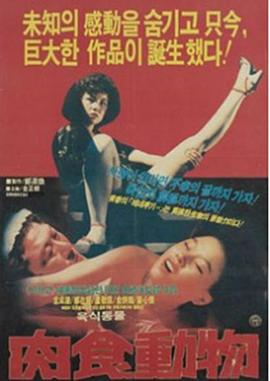
Kim Dong - sik, a securities company employee, feels an inferiority when his wife 's business succeeds, and her position in the home becomes blurred and gradually wanders. With this escape from wandering, the hostess will have extramarital affairs. Then, when his character is indecisive, he will have another home with this guidance, and will fall into deeper conflicts and abyss. The wife and the wife of the family share a certain kind of negotiation through the realism of the woman. In the end, he tried to escape from reality and wanted to flee his own pit himself and be forever forgotten by all.
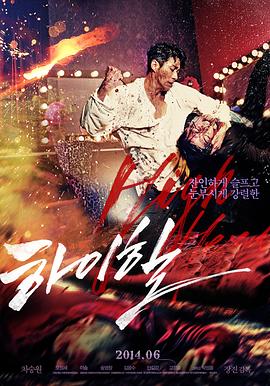
尹智旭(车胜元 饰)有这一段令他深感悲伤的初恋经历,他的同性恋人不幸去世,留下尹智旭生活在遗憾和回忆之中。临死之前,恋人将妹妹玫瑰(李絮 饰)托付给了尹智旭。随着时间的推移,玫瑰渐渐爱上了成熟可靠的尹智旭,可是,对于后者来说,玫瑰更多的是已故恋人的牵挂,以及一份沉重的责任。 身为警察的尹智旭兢兢业业,恪尽职守,自然招致了黑帮分子的仇视,成为了他们想要除掉的首要人物。与此同时,尹智旭发现自己的内在其实是一个完完全全的女人,并且打算去做变性手术,找回自我。就在这个节骨眼上,搭档振宇(高庚杓 饰)的死讯传来,玫瑰亦被奸人绑架,尹智旭毅然出发深入虎穴,解救玫瑰。
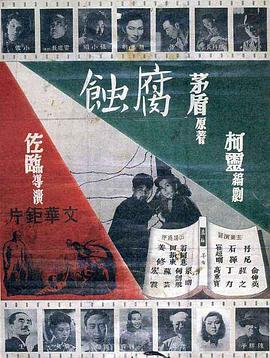
抗日战争时期,一个青年女子由于追求物质享受而堕入敌特组织,干了一系列特务勾当。最后,当她在临难不屈的共产党员的精神感召下,有所觉悟时,却被敌人杀死。 影片根据茅盾同名小说改编。在40年代后期,影片编导曾计划把作家茅盾这一创作于40年代初并在当时产生广泛影响的作品搬上银幕,因政治环境不允许未能实现。 上海解放后,文华影业公司将其列为重点剧目投入摄制。影片对女主人公赵惠明的处理,创作者曾经过认真考虑。赵惠明是特务,又是失足者。她是个思想性格复杂、内心冲突激烈的人物。 影片于1950年冬上映,受到观众欢迎。不久报刊有文章提出影片对赵惠明“过于同情”的批评,认为与当时正在开展的镇压反革命运动方针政策不相吻合。影片即不予放映。
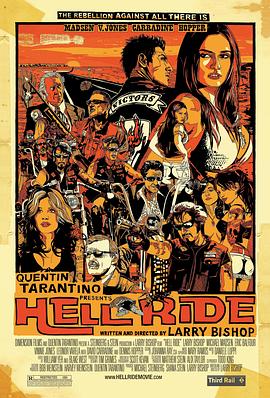
势力庞大的两大飞车党帮派“胜利者”与“666”不合,终日充斥在野蛮的杀戮与暴力中。这两大帮派更因为“胜利者”中的组织成员被“666”的成员杀害而剑拔弩张,一场血腥的厮杀一触即发。 “胜利者”老大佩斯特莱若(拉瑞·比肖普 Larry Bishop 饰)决心带领手下,逐渐从各个方面瓦解“666”的势力,展开复仇计划。然而“胜利者”的内部矛盾日益凸显,组织内绰号为“绅士”的头目(迈克尔·马德森 Michael Madsen 饰)开始质疑佩斯特莱若的领导能力,甚至怀疑他曾许下的利益承诺能否兑现。另一方面,“666”的老大杀人魔王比利·文斯(维尼·琼斯 Vinnie Jones 饰)也带领手下准备时刻予以反击。所有人都卷入进这场混乱的帮派斗争中无以自拔,谁也脱不了干系。
报社老板的妻子让娜(让娜•莫罗饰)厌倦了枯燥无味的家庭生活,而情人的冷漠也未能给予她更多的精神慰籍。不甘心于镜花水月的空虚生活的让娜,似乎还在期待着一些奇遇。与年轻浪子伯纳德在公路上的邂逅,重新激起了她的爱情幻想。尽管在开始阶段,两人并不合拍,但他的青春气息与独立思维,逐渐激发了她对庸俗生活的厌恶感。其实在骨子里,两人是一般地天生叛逆。一场无趣的社交晚宴后,两人似心有灵犀地在花园中相遇,随而泛舟溪边,漫步田野,巫山云雨,意乱情迷。黎明,让娜甩开了惊呆的丈夫和友人,与伯纳德驱车而去,不考虑是否会有明天,也不知道要往何处去。
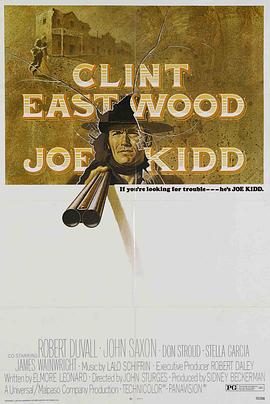
故事描述恶霸地主因遭墨西哥土匪捣乱,于是高价聘请一枪手对付土匪,但枪手逐渐认清恶霸的真实凶残面目后,遂对他大为反感,最后亦和恶霸对抗。
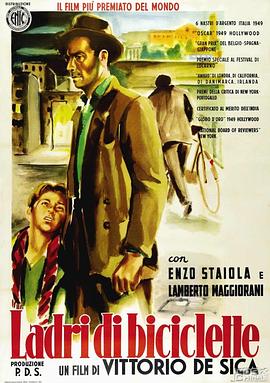
二战过后,罗马同许多城市一样,充斥失业和贫困,人们常常为一个工作机会争得头破血流。已失业多时的里奇(Lamberto Maggiorani)费劲千辛万苦获得一份海报张贴的工作后,却为这份工作需要一辆自行车犯愁,为了以后的日子好过,他用妻子的嫁妆--床单从换回已经当掉的自行车,不想,他的自行车在上班第一天就被盗。里奇同儿子布鲁诺(Enzo Staiola)寻遍罗马大街小巷,也没能找到他赖以活命的自行车,眼见无指望的日子又要降临,里奇决定以牙还牙,可是他的运气却没有别的小偷好。
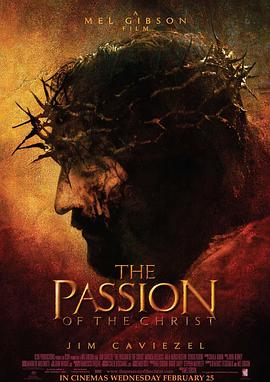
那是一个遥远而又让人永世难忘的时代,一位圣者将他的名字、他的精神永远镌刻在历史的丰碑之上。备受世人爱戴的上帝之子耶稣(詹姆斯·帕特里克·卡维泽 James Patrick Caviezel 饰)为生活在穷苦和磨难中的人们带去了希望和喜悦,与此同时他的存在也触犯了教廷和统 治者的利益。他拒绝着魔鬼的引诱,而门徒犹大(卢卡·莱奥内罗 Luca Lionello 饰)则抵抗不出金钱的魅力,他为此出卖了耶稣,其丑态永久留在了“最后的晚餐”之上。在此之后,耶稣被捕,当局者为他戴上荆棘做的王冠,命他背上沉重的十字架,更用带着铁刺的鞭子抽打圣人的肌肤。耶稣痛苦呻吟着,决绝地忍受当下的一切。“仁慈之父,他们什么都不知道。” 作为圣人,作为救世主,这是一条必须淌血走过的试炼之路……
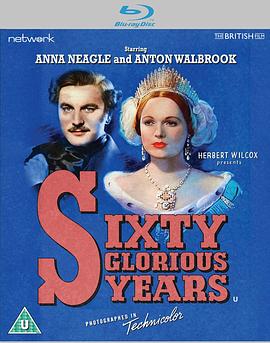
Sixty Glorious Years is an exercise in the creation of iconography, both for Victoria and its star, Anna Neagle (who subsequently became known as 'Regal Neagle'). Just as Elizabeth I commissioned artists to create flattering iconic images for public consumption, so this film performs a similar function, for Neagle is more beautiful than the real life Victoria. Controversial events (such as the 'Irish problem') are omitted and unpleasant aspects of Victoria's character (her petulance, arrogance, favouritism and 'right to privilege') are glossed over as endearing little 'whims'. Albert acts as a moderating influence when she goes too far. The film followed a year after the highly successful Victoria the Great (d. Herbert Wilcox, 1937). Again the screenplay is by Miles Malleson and Robert Vansittart, and many of the supporting cast (the cream of acting talent of period) repeat their roles, this time for the colour cameras. This was the first full length Technicolor film of cinematographer Freddie Young, who captures the spectacle of royal weddings, grand balls and opulent interiors, with scenes actually filmed at royal palaces. Vivid battle scenes, set in Alexander Korda's empire territory (Sevastopol and the Sudan), rival those in The Four Feathers (d. Zoltan Korda 1939). The title music sets the tone: a regal choir sings over a shot of the crown. Elgar's 1901 'Pomp and Circumstance' march is heard during the diamond jubilee celebrations and, as Victoria's coffin lies in state, the film concludes with Anthony Collins' stately music accompanied by the text of Rudyard Kipling's 'Lest we forget'. Combined with the emotional appeal of scenes of Victoria connecting with her 'ordinary folk', this is stirring stuff. The film connects with contemporary events of 1938. The release of two celebratory royal films was intended to boost public affection for the monarchy in the wake of Edward VIII's abdication. Anglo-German relations were another touchy subject. With another war on the horizon, influential voices wanted appeasement, and the film could be seen to fit that agenda. Victoria herself was of mainly German descent, nicknamed 'the grandmother of Europe', while Albert is a 'good German', charmingly played by Anton Walbrook as a cultured, decent man. Sixty Glorious Years now seems unduly formal and reverential. Had movies existed during Victoria's reign (they only emerged at the end) this might have been the kind of film produced. Unlike Mrs Brown (d. John Madden, 1997), it is all so very 'Victorian'. Roger Philip Mellor
该剧讲述了农村青年妇女梁二妮,在村集体亏空欠债的情况下,帮助困难户,解决村民看病难、上学难的一系列问题,发展乡村旅游产业的故事。塑造了基层党支部书记梁二妮为群众谋福利,为村庄谋发展的人物形象。
讲述五位不同背景不同性别不同社会阶层的普通人,他们都面临着生活的漩涡与盲目的爱恋,最终他们在亲人爱人的帮助下,一步步走出阴霾迎接阳光