基于Karlene Faith 所著纪实文学《The Long Prison Journey of Leslie van Houten: Life Beyond The Cult》和Ed Sanders所著小说《The Family》,讲述在震惊世界的曼森谋杀案发生后,三位曼森家族的成员Leslie Van Houten, Patricia Krenwinkel和Susan Atkins被判终身监禁,研究生Faith被派去监狱对她们进行教导,三人将重新审视噩梦般的罪行。
After his last tour, Aurélien decides to settle in Japan with his wife Nanako, pregnant with their first child. In their new house in the Japanese countryside, Aurélien discovers an old armor that awakens strange creatures, the Yokaïs.
影片改编自丹尼斯·约翰逊的中篇小说。讲述在20世纪初瞬息万变的美国,伐木工兼铁路工人罗伯特·格雷尼尔致力于修建横跨美国的铁路,经历了有着意想不到的深度、美丽和奇异的生活。
富有魅力的牧场主菲尔·伯班克(本尼迪克特·康伯巴奇 饰)让他周围的人又敬又怕。当他的兄弟将新婚妻子以及她的儿子带回家时,菲尔百般折磨他们,直到有一天,他发现自己对爱也存有一丝渴望。
在二战后尚未归还日本的冲绳岛上,有一群人自可怕的「铁暴风」中幸存下来。他们像动物般活在残破的世界,眼前是垂死的岛民和尸体。于是他们从美军的仓库和基地抢夺物资,延续这座岛上未完的战争,他们被叫做「战果捞...
1877年圣诞节,奥地利万人敬仰的茜茜公主迎来了她40岁的生日。虽然贵为奥地利与匈牙利的皇后和弗朗茨·约瑟夫一世皇帝的妻子,她却没有表达自我的权利,只需保持美丽和年轻的状态即可。为了满足人们的这些期待,她一直在严格地节食、健身、美发、每日测量腰围。这些规则令她感到窒息,她渴望知识和生活,不愿只做一个美丽的花瓶,因此开始越来越频繁地打破这个形象。
露西亚娜曾为一位著名小说家工作,她确信家人的悲惨死亡由此人一手策划,于是求助一名记者揭露事情的真相。
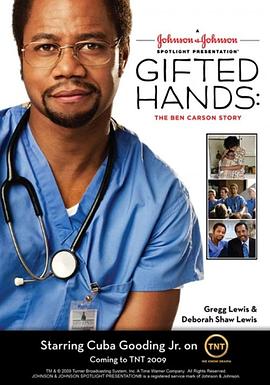
本·卡森,是一个天才的神经外科医生,从贫民升任为约翰·霍普金斯医院的少儿神经外科负责人。他接受各种挑战,以挽救孩子的生活。本片讲述了他的谦虚和诚实的故事,同时也是一个鼓舞人心的爱情故事……
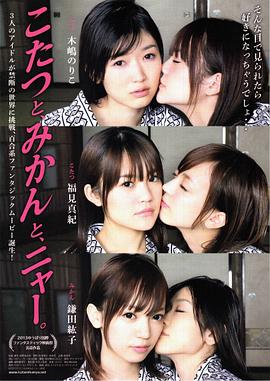
同性が好きな百合系女子たちを主人公にした、ガールズラブストーリーの第2弾。温泉旅行に出た女性3人の交錯する思惑を、甘く、切なく、シュールに映し出す。前作に引き続いてヒロインのニャーを演じる『ユリ子のアロマ』などの木嶋のりこ、『猫ラーメン大将』などの南結衣、日テレジェニック2011製作委員会特別賞の酒井蘭とグラビアアイドルが共演。監督は、前作に引き続き梶野竜太郎。大胆なラブシーンにも挑むキャストの熱演に加え、彼女たちの魅力を存分に引き出す梶野監督の手腕にも注目。 あらすじ 男性を恋愛の対象として見ることができない百合系女性が集うSNSで、こたつ、みかんのハンドルネームを名乗る女性たちと懇意になったニャー(木嶋のりこ)。3人で温泉旅行へと出掛けるが、こたつ、みかんがこつぜんと姿を消してしまう。失意に沈んでいた彼女だったが、こたつ、みかんのハンドルネームを受け継いでSNSに現われた、ひばり(南結衣)、いづみ(酒井蘭)と触れ合うように。そして、新たに3人で温泉旅行へと向かうニャーだったが……。
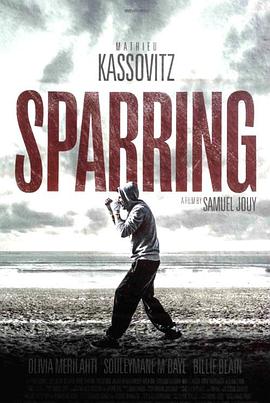
斯蒂芬·兰德里是一个屡战屡败的老拳手,给新晋拳击冠军当陪练当他的人生开始不一样起来。
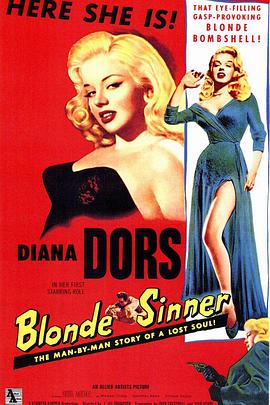
根据真实案例改编,女主角原型来自Ruth Ellis,英国历史上最后一个被执行死刑的女人。 Mary 是一个美丽的金发少妇,有个爱她的丈夫。她在化妆品店做销售员,工作的原因认识了忧郁而英俊的青年Jim,二人坠入爱河,Mary离开了丈夫。但是不久之后Jim迷恋上了一个富婆而离开了她。Mray深爱恋人无法自拔,每天悲痛度日。除夕夜前夕Jim来找Mary,告诉她那个女人要离开他,他一定要去见他不然自己会死,Mary的痛苦留不住他的脚步,他答应除夕夜一定会回来Mary身边,但是Mary没有等到他,只等到了他自杀的噩耗。痛苦的Mary决定为自己的爱人复仇,她枪杀了自己的情敌。。。。。。。
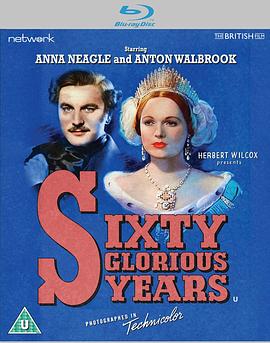
Sixty Glorious Years is an exercise in the creation of iconography, both for Victoria and its star, Anna Neagle (who subsequently became known as 'Regal Neagle'). Just as Elizabeth I commissioned artists to create flattering iconic images for public consumption, so this film performs a similar function, for Neagle is more beautiful than the real life Victoria. Controversial events (such as the 'Irish problem') are omitted and unpleasant aspects of Victoria's character (her petulance, arrogance, favouritism and 'right to privilege') are glossed over as endearing little 'whims'. Albert acts as a moderating influence when she goes too far. The film followed a year after the highly successful Victoria the Great (d. Herbert Wilcox, 1937). Again the screenplay is by Miles Malleson and Robert Vansittart, and many of the supporting cast (the cream of acting talent of period) repeat their roles, this time for the colour cameras. This was the first full length Technicolor film of cinematographer Freddie Young, who captures the spectacle of royal weddings, grand balls and opulent interiors, with scenes actually filmed at royal palaces. Vivid battle scenes, set in Alexander Korda's empire territory (Sevastopol and the Sudan), rival those in The Four Feathers (d. Zoltan Korda 1939). The title music sets the tone: a regal choir sings over a shot of the crown. Elgar's 1901 'Pomp and Circumstance' march is heard during the diamond jubilee celebrations and, as Victoria's coffin lies in state, the film concludes with Anthony Collins' stately music accompanied by the text of Rudyard Kipling's 'Lest we forget'. Combined with the emotional appeal of scenes of Victoria connecting with her 'ordinary folk', this is stirring stuff. The film connects with contemporary events of 1938. The release of two celebratory royal films was intended to boost public affection for the monarchy in the wake of Edward VIII's abdication. Anglo-German relations were another touchy subject. With another war on the horizon, influential voices wanted appeasement, and the film could be seen to fit that agenda. Victoria herself was of mainly German descent, nicknamed 'the grandmother of Europe', while Albert is a 'good German', charmingly played by Anton Walbrook as a cultured, decent man. Sixty Glorious Years now seems unduly formal and reverential. Had movies existed during Victoria's reign (they only emerged at the end) this might have been the kind of film produced. Unlike Mrs Brown (d. John Madden, 1997), it is all so very 'Victorian'. Roger Philip Mellor